Medical Dramas vs. Real Medicine: What TV Gets Right, What It Gets Wrong, and When to Call a Doctor
By Mr. Ulises Bins
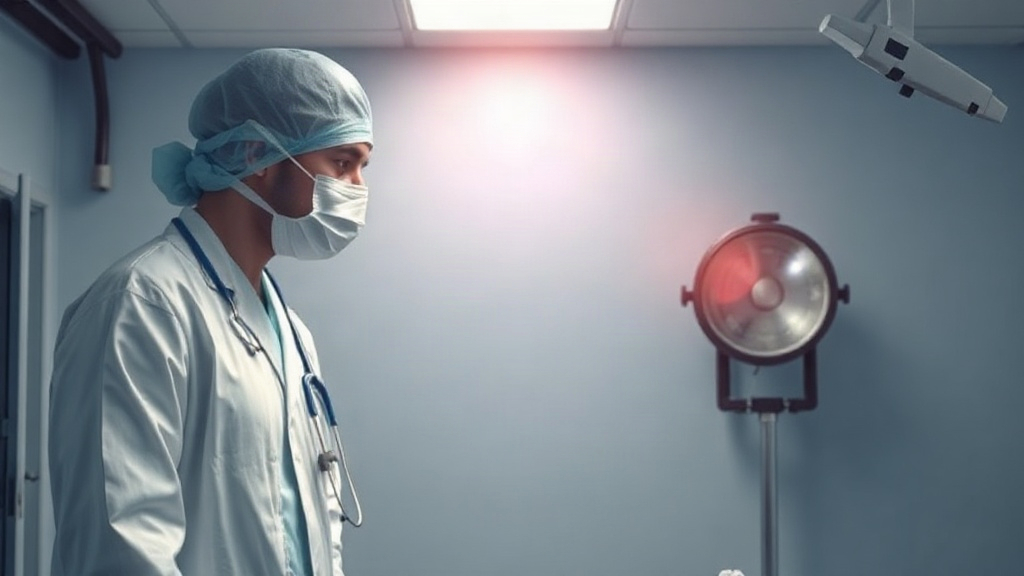
Medical dramas have a way of returning to television again and again, and the latest sign is news that Justin Hartley and ChangeUp Productions are developing a new series, *Dr. Lucia*, for NBC. Whatever the show turns out to be, the steady appetite for hospital storytelling says something: people are endlessly curious about medicine, and what they watch often shapes how they think about their own health.
Why Medical Stories Hold Our Attention
Hospitals compress life's highest stakes into a few hours: a diagnosis, a race against time, a difficult conversation. That makes for gripping television. It also means viewers absorb impressions about symptoms, procedures, and outcomes that may not match real life.
Researchers who study health communication have long noted that dramatized care can affect expectations. Many viewers assume emergency resuscitation works far more often than it does, or that every mystery illness is solved in a single episode. In reality, diagnosis is frequently gradual, and treatment involves a lot of waiting, monitoring, and follow-up.
What Dramas Get Right
Fiction isn't all misinformation. Good medical storytelling can:
- Normalize seeking care. Characters who see a doctor early model healthy behavior. - Raise awareness. Plotlines about heart attack signs, stroke, or sepsis can prompt viewers to learn more. - Highlight the human side. Burnout, ethical dilemmas, and communication struggles among clinicians are very real.
Where Reality Differs
Real medicine is more collaborative and less heroic than it looks on screen. Care teams include nurses, pharmacists, technicians, and specialists, and decisions rely on evidence, test results, and protocols rather than a single flash of insight. Recovery rarely wraps up neatly, and many conditions, such as diabetes, hypertension, and chronic pain, require long-term management rather than a dramatic cure.
Recognizing a True Emergency
One lesson dramas do reinforce is that timing matters. A recent news story about a zoo animal that became critically ill after swallowing an object is a sobering reminder that foreign-body ingestion can turn serious quickly, in animals and people alike. For households, that means paying attention to small items that children and pets can swallow.
Seek urgent care or call emergency services if you notice:
- Sudden chest pain, pressure, or shortness of breath - Facial drooping, arm weakness, or slurred speech - Severe, persistent abdominal pain or repeated vomiting after swallowing something unusual - Difficulty breathing or swallowing - Confusion, fainting, or a sudden severe headache
When in doubt, it is better to be evaluated and told everything is fine than to wait too long.
Becoming a Smarter Health Consumer
Entertainment can spark curiosity, but personal health decisions deserve reliable sources. A few habits help:
1. Check credentials. Look for information from established medical institutions, public health agencies, and peer-reviewed research. 2. Be wary of miracle claims. Fast cures and secret remedies are almost always red flags. 3. Prepare for appointments. Write down symptoms, medications, and questions beforehand. 4. Ask for clarity. If a term or treatment plan is confusing, ask your clinician to explain it in plain language. 5. Keep records. Maintaining a simple file of test results and medication lists makes care smoother, especially when seeing multiple providers.
The Takeaway for Viewers
There is nothing wrong with enjoying a well-crafted medical drama. Treat it as a starting point for conversation rather than a guide to treatment. If a storyline makes you wonder about your own blood pressure, family history, or overdue screenings, that curiosity can be put to good use by scheduling a checkup.
As new series continue to arrive, the best viewers will be the informed ones: they will enjoy the suspense, recognize the dramatic license, and know exactly when to pick up the phone and call a real doctor.