Why Hospitals Are Under Pressure: Maternity Ward Funding, Flooding Risks, and How Families Can Prepare
By Mr. Ulises Bins
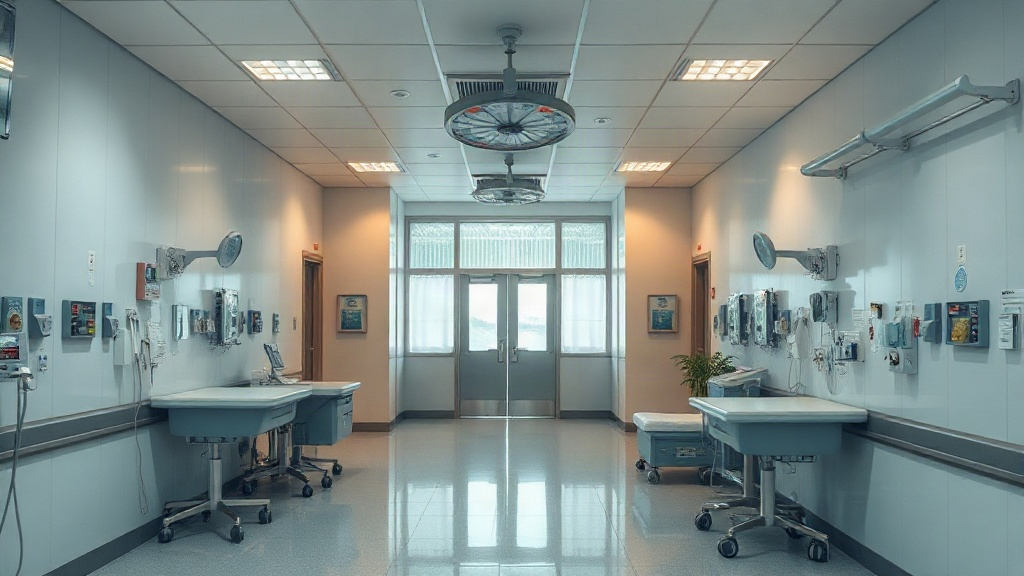
Hospitals are supposed to be the one place that never closes. Yet recent headlines show how much pressure local facilities are under, from funding gaps that threaten essential services to extreme weather that disrupts day-to-day operations. For patients and families, understanding these pressures is increasingly practical, not just political.
Why Maternity Units Are Fragile
Labor and delivery is among the most expensive services a hospital can run. It requires round-the-clock obstetric coverage, anesthesiology, neonatal support, and specialized nursing, whether the unit delivers 50 babies a month or 500. When birth volumes are low or a large share of patients rely on public insurance, the math becomes hard to sustain.
That tension is playing out in Washington, D.C., where the city is reportedly sending $10 million in aid to a hospital in Ward 8 to keep its struggling maternity ward afloat. The neighborhood has long faced health disparities and limited access to care, so losing obstetric services there would mean longer trips for expectant mothers at the moment when time matters most.
The case reflects a national pattern. Maternity wards in rural areas and underserved urban neighborhoods have been closing for years, creating what researchers call "maternity care deserts." Public subsidies like this one can buy time, but they raise a bigger question: how should communities pay for services that are essential yet rarely profitable?
When Weather Becomes a Patient Safety Issue
Funding is not the only threat. Flooding in Broward County recently affected Memorial Regional Hospital in Hollywood, Florida, a reminder that hospitals are physical buildings vulnerable to the same storms and heavy rains as everything around them.
Water intrusion can disrupt power systems, damage medical equipment, block ambulance routes, and delay elective procedures. Even when a hospital stays open, staff may struggle to get to work and supplies may not arrive on schedule. Facilities in low-lying or coastal regions are now investing in:
- Elevated electrical and mechanical systems - Backup generators with extended fuel capacity - Flood barriers and improved drainage - Detailed surge and evacuation plans
Resilience planning has shifted from a nice-to-have to a core part of hospital operations.
What Patients and Families Can Do
You can't control budgets or rainfall, but a little preparation goes a long way.
Know your options before you need them. Find out which nearby hospitals offer the services you may need, such as obstetrics, pediatrics, trauma care, or cardiac care. If you're expecting a baby, ask your provider what happens if your chosen unit is unavailable or if complications call for a transfer.
Have a backup plan. Identify a second hospital and the fastest route to it. During severe weather, roads you rely on may be impassable.
Keep medical information handy. A current medication list, allergy details, insurance cards, and emergency contacts stored on paper and on your phone can speed up care when systems are strained.
Use the right level of care. Urgent care clinics and telehealth visits can handle many non-life-threatening issues, which helps keep emergency departments free for critical cases, particularly during disasters.
Pay attention to local decisions. Hospital funding, service cuts, and zoning for new facilities are often discussed in public meetings. Community input can influence whether a service survives.
The Everyday Reality Behind the Headlines
Not every hospital story is about policy or weather. Local news reports daily on people taken to hospitals after accidents or assaults, such as a recent incident in Greensboro, North Carolina, where one person was hospitalized. These reports are a quiet reminder that emergency departments are the front door of the community's safety net. They treat everyone who arrives, regardless of the cause or ability to pay.
That open-door mission is what makes hospital stability so important. When a maternity unit closes, a flooded facility diverts patients, or an emergency room becomes overcrowded, the effects spread well beyond the building's walls.
Looking Ahead
Healthcare leaders, city officials, and communities are being pushed toward the same conclusion: hospitals need sustainable funding and stronger infrastructure, not just emergency rescues. Until that happens, informed patients who plan ahead and speak up are the best defense for the care their neighborhoods depend on.